Gardening Services in Bethnal Green

Our gardening services in Bethnal Green are set up to keep domestic and shared outdoor spaces tidy, healthy and practical across the seasons. We carry out routine maintenance, one-off clearances, hedge trimming, lawn mowing and related garden work with a clear focus on neat results and sensible upkeep. If your space needs regular attention or a reset after a period of neglect, we can help shape the work into a manageable plan.
For many properties, the main challenge is balance: enough care to keep growth under control, but not so much intervention that the garden loses shape or character. We work with that in mind, combining careful cutting, sensible waste handling and tidy finishing so the space remains usable. Whether you need a simple seasonal tidy or a broader package of garden tasks, our approach is practical and straightforward.
If you are comparing options, start by outlining the size of the area and the tasks you want completed. You can then request a quotation based on the actual work rather than guesswork. For a faster response, have a rough list of priorities ready, such as mowing, hedge work or clearance, and note any access points or awkward sections that may affect the job.
Routine Garden Maintenance and Seasonal Upkeep
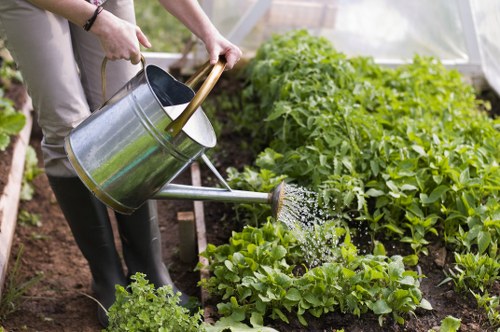
Regular garden maintenance helps prevent small jobs from becoming bigger ones. We can handle grass cutting, edging, basic pruning, border tidying and general seasonal upkeep so paths, lawns and planting areas stay orderly. This kind of work is especially useful where the garden is used often and needs a presentable finish without turning into a major project each time.
Our maintenance work is suitable for gardens that need a steady rhythm rather than occasional rescue. It may include clearing fallen leaves, removing spent growth, keeping access routes open and trimming plants that are beginning to spread beyond their intended space. A consistent approach often makes the outdoor area easier to use, simpler to manage and more pleasant to look after over time.
We can also tailor maintenance around the way the garden is actually used. For example, some customers want the lawn kept short and the edges sharp, while others prefer a softer look with lighter intervention around beds and shrubs. Garden maintenance covers that regular work in a way that is suited to ongoing care rather than a single visit.
Lawn Cutting, Edging and Basic Turf Care
A well-kept lawn can set the tone for the whole garden, so mowing is often one of the most useful services to arrange first. We cut grass to a sensible finish, paying attention to the edges and the areas that are easy to overlook, such as tight corners or strips beside fencing and paving. Where appropriate, we can also remove cuttings so the surface looks cleaner after the work is complete.
Lawn care is not only about cutting the grass to a neat height. It also involves managing the rhythm of the work so the lawn is not stressed by overgrowth or cut too severely at the wrong time. In practical terms, that means the mowing schedule should reflect the season, the growth rate and the condition of the surface. We keep that in view when planning the task.
If your garden has mixed areas, we can combine mowing with tidy-up work around borders and access paths so the result feels consistent rather than patchy. Lawn mowing is a good fit when the main requirement is regular grass cutting with a clean finish and minimal disruption to the rest of the garden.
Hedge Trimming and Controlled Shaping
Hedges need regular attention if they are to stay within bounds and retain a defined shape. Our hedge trimming work covers reduction, tidying and maintenance cuts that help keep growth balanced on both sides. We can work on formal hedges that need a sharper outline and softer boundary planting that benefits from lighter shaping and selective trimming.
Trimming is often best approached as part cutting, part judgement. The aim is not simply to remove green growth, but to preserve the hedge’s function, whether that is privacy, screening, boundary definition or general structure. We take care to avoid leaving ragged edges or uneven lines that quickly spoil the look of the garden, and we can remove the clippings afterwards.
Where hedges meet lawns, drives or narrow side access, tidy finishing matters just as much as the cut itself. Hedge trimming is useful when the boundary growth needs accurate reduction, careful shaping or routine control without disturbing nearby plants or hard surfaces.
Garden Clearance for Overgrown or Tired Spaces
Garden clearance is often the right starting point when an outdoor area has become cluttered with cuttings, leaf fall, tangled growth or leftover items that prevent normal use. We clear visible garden waste and overgrowth so the space can be brought back to a workable condition. That may include dense patches that have spread into borders, long grass, broken-down plant material and general debris.
Clearing a garden is usually more than a simple tidy. It may involve separating reusable planting features from material that needs to be removed, working around access constraints and deciding what should be cut back rather than removed completely. A thoughtful clearance can make later maintenance easier, because the boundaries, beds and paths become easier to see and manage.
If the area has built up over time, it can help to make a brief note of the parts that matter most, such as the lawn, patio edges or a rear boundary that needs reopening. Garden clearance is the service to consider when you want the space stripped back into a cleaner, more usable state before ongoing care begins.
Landscape Gardening and Garden Improvements

Landscape gardening is the wider side of our work for customers who want to improve the look, layout or practical use of an outdoor space. Rather than focusing only on upkeep, this type of project may involve altering borders, refreshing planting areas, creating clearer routes through the garden or introducing new features that sit more comfortably with the property. The aim is a better-finished space that suits how it is used.
Good landscaping work starts with the structure already in place. Soil levels, drainage, access, sun exposure and existing hard surfaces all affect what is sensible. We can help with decisions that keep the design realistic, so the finished garden is attractive without becoming awkward to maintain. That might mean simplifying a cluttered layout, giving planting more room or defining separate areas for sitting, walking and growing.
For customers looking beyond simple maintenance, landscape gardening supports larger changes while still keeping the work practical and well organised. It is a useful option when the garden needs improvement in both appearance and function, not just a routine cut or trim.
Decking and Outdoor Living Surfaces
Decking can help turn a garden into a more usable extension of the home, providing a stable surface for seating, access or stepping between different parts of the outside area. Our decking services are intended to sit alongside wider gardening work, so the timber or composite surface makes sense within the garden as a whole rather than looking added on without context. We can work on new installations as well as changes to existing outdoor surfaces where appropriate.
When planning decking, practical details matter: the direction of movement through the garden, nearby planting, the height of the surface and how it connects to paths or doors. A sound layout should be comfortable to use and easy to maintain. We can also consider whether the surrounding garden needs tidying or reshaping at the same time, so the overall space feels coherent rather than divided into separate projects.
If decking is part of a wider redesign, it may sit well alongside planting changes or boundary improvements. Decking services give you a way to include a defined outdoor living area within a broader garden plan, with the work shaped around the site and the intended use.
About Bethnal Green
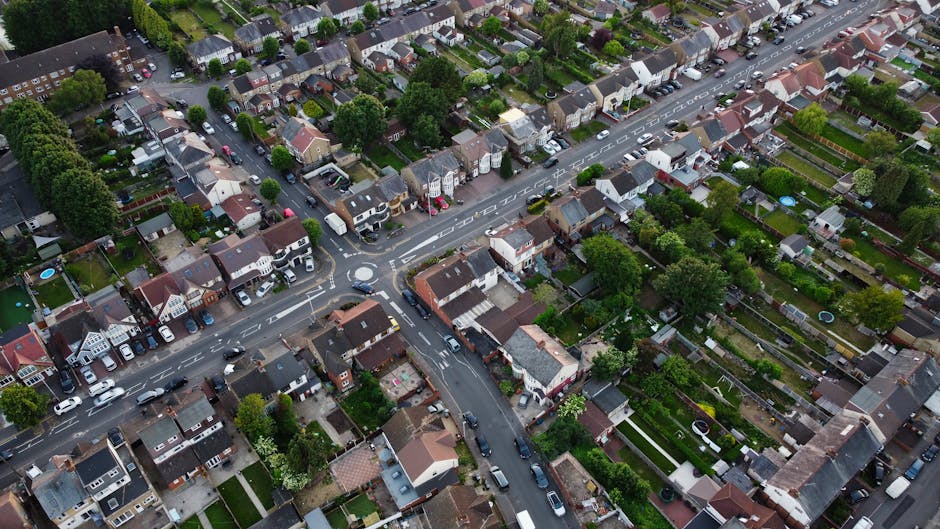
Bethnal Green is an area in the East End of London with a long history shaped by urban development, migration, industry and public life. It lies within the London Borough of Tower Hamlets and is closely associated with the growth of the capital’s eastern districts during the nineteenth century, when streets, housing and civic buildings expanded rapidly around older routes and local trade. The name is well known through Bethnal Green Road and Bethnal Green Underground station, both of which anchor movement through the district and connect it with neighbouring parts of east London. The area includes a mixture of residential streets, estates, community facilities and commercial frontages, reflecting the layers of change that have taken place over time. One of the best-known landmarks is the Young V&A, formerly the Museum of Childhood, which sits on Cambridge Heath Road and forms part of the area’s cultural identity. The district is also linked to the Bethnal Green Gardens and to open spaces that offer breathing room within a dense urban setting. Historic churches, terraced streets and surviving Victorian and Edwardian buildings contribute to the character of the neighbourhood, while later regeneration has added new housing and contemporary mixed-use development. Bethnal Green is also notable for its proximity to Brick Lane, Shoreditch and Whitechapel, although it retains its own identity rather than simply acting as an extension of those better-known districts.
Tree Work, Access and Practical Site Conditions
Some gardens need more than light trimming and mowing. Where branches are heavy, overhanging or restricting light and access, tree lopping and removal may be part of the overall plan. That work has to be handled with care, because trees affect shade, privacy, neighbouring boundaries and the balance of the garden itself. We can discuss the scope of the task and determine whether selective reduction or fuller removal is the sensible route.
We also take practical site conditions into account. Narrow side entrances, shared access, uneven ground and nearby planting can all affect how garden work is carried out. These details matter not only for safety, but for the quality of the finish. The aim is to complete the work cleanly, with the garden left tidy and the remaining features left in a condition that makes future maintenance easier.
Where larger trees, dense growth or awkward access are involved, it helps to note the key points before you arrange the work. Tree lopping and removal is relevant when the garden needs controlled tree work alongside other maintenance or clearance tasks.
Why Clear Quotations Help Keep Garden Work Straightforward

Garden jobs are easier to price accurately when the scope is clear from the start. A quotation can usually be based on the type of work, the size of the area, the level of overgrowth, the amount of waste involved and any access issues that may affect the time needed on site. That is why a brief outline of the garden and the tasks you want completed is more useful than a vague request for “general tidy-up†work.
It also helps to separate the tasks you want done now from those you may want later. For example, you might need mowing and hedge cutting immediately, while larger landscaping or tree work can wait for a different stage. Breaking the work into clear priorities often makes it easier to understand what the first visit should achieve and how the rest of the garden could be improved over time.
You do not need to overprepare, but a few practical notes are helpful: where the entry points are, whether waste should be removed, and whether any parts of the garden are especially delicate or hard to reach. Pricing and quotes explains the route for arranging an estimate when you want the work set out clearly before you go ahead.
Preparing for a Visit and Managing the Finished Result
Before any garden work begins, it is sensible to make the main access areas usable and to identify anything that should be left untouched, such as established plants, fragile ornaments or partially hidden items. That does not mean staging the garden in advance; it simply means making sure the practical instructions are clear. If there are sections you want prioritised, it helps to say so at the outset.
After the work, the finish matters just as much as the cut, trim or clearance itself. Many customers want paths swept, waste removed and borders left in a tidy state so the garden can be used straight away. Others may prefer a lighter finish if the next phase of work is planned separately. Either approach can be sensible, provided it is agreed in advance and matched to the condition of the garden.
For broader projects that mix several elements together, services overview is a helpful place to compare the main types of garden work before you decide which tasks belong in the same job.
Maintaining Boundaries, Planting and Seasonal Shape

Many gardens work best when boundaries and planting areas are managed together rather than in isolation. A hedge may need trimming at the same time as lawn edges are refreshed, while borders may need cutting back so new growth has room to develop. This is where careful judgement makes a visible difference, because the aim is not to strip the garden bare but to keep its shape neat and intentional.
Seasonal changes also influence how the work should be handled. Spring growth, summer maintenance and autumn clearance all bring different tasks and different levels of cutback. A garden that looks balanced in one season can quickly become uneven in another if the trimming or mowing is delayed. We approach that variation in a practical way, so the work suits the time of year as well as the condition of the space.
If you would like to move from a one-off tidy to a more organised plan for the year, our team can help you decide which parts of the garden need regular attention and which only need occasional intervention. For a direct next step, contact us to request a quotation and outline the work you want carried out.