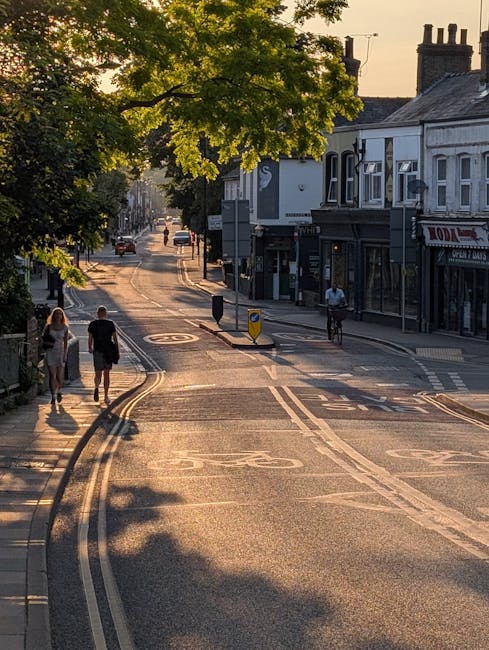
Cambridge Heath Road guide to hiring a local gardener

If you live near Cambridge Heath Road and your garden has gone from "a bit untidy" to "I should probably sort that this weekend," you're not alone. A good local gardener can save time, reduce stress, and turn a patchy outdoor space into somewhere you actually want to sit with a tea on a mild evening. This Cambridge Heath Road guide to hiring a local gardener walks you through what to look for, how the process usually works, where people go wrong, and how to choose someone reliable without getting lost in sales talk. The aim is simple: help you make a confident decision, not a rushed one.
Whether you need regular maintenance, a one-off tidy-up, lawn care, hedge trimming, or help after months of neglect, the right hire is usually less about fancy promises and more about solid basics: clear communication, fair pricing, proper insurance, and consistent workmanship. Let's get into it.
Why Cambridge Heath Road guide to hiring a local gardener matters
Hiring a gardener sounds straightforward until you're actually doing it. Then the questions start. Do you need weekly maintenance or just a seasonal tidy? Is the quote for labour only, or does it include waste removal? Will they arrive with the right tools? What if the job turns out bigger than expected? On Cambridge Heath Road, where homes can have compact front gardens, shared access, private courtyards, and small but surprisingly demanding outdoor spaces, those details matter quite a bit.
A local gardener understands the rhythm of the area. They know that some gardens never get much sun, others dry out fast, and many need a practical approach rather than a show garden makeover. You don't always need a grand design. Sometimes you just need someone who can keep things neat, healthy, and manageable without making a drama of it.
That is the heart of this guide: helping you hire someone who fits your space, your budget, and your expectations. Not the cheapest person with a strimmer. Not the loudest advert. The right fit.
Practical takeaway: A reliable local gardener should make your life easier from day one, not create more admin, more uncertainty, or more tidy-up work afterwards.
How Cambridge Heath Road guide to hiring a local gardener works
The hiring process usually follows a simple pattern, though in real life it can feel a bit messier. First, you identify what the garden actually needs. Then you decide whether you want a one-off service or ongoing support. After that, you compare a few options, ask the right questions, and choose based on trust as much as price.
For example, a garden that only needs a lawn cut and some border weeding is very different from one that has overgrown hedges, awkward access, and a pile of cuttings waiting for removal. A good gardener will notice these differences early and speak plainly about them. That transparency is valuable. You want someone who can say, "This is a two-hour tidy-up," or "This needs a maintenance visit and probably a clearance first," rather than pretending every job is identical.
In many cases, the best local firms offer a mix of services rather than only one-off jobs. That matters because a garden often needs more than mowing. It may also need hedge trimming, pruning, leaf clearance, light landscaping, or longer-term care. If you want a broader view of the available service types, the services overview is a useful place to start, especially if you are comparing maintenance and improvement options.
What usually happens from first call to finished job
- You describe the garden and what you want done.
- The gardener asks for more detail, sometimes with photos.
- You receive a quote or estimate.
- You agree scope, timing, and any special conditions.
- The work is carried out.
- Any waste, follow-up, or next-visit plan is discussed.
That sounds simple, and mostly it is. But the quality of each step is what separates a decent experience from a frustrating one.
Key benefits and practical advantages
There are plenty of reasons to hire local rather than trying to do everything yourself on a Sunday afternoon with one blunt pair of shears and optimism. Some are obvious, some less so.
- Better time savings: A professional can usually complete routine work faster and with less fuss.
- More consistent upkeep: Regular maintenance stops problems from becoming expensive or exhausting.
- Local familiarity: A gardener who works nearby often understands the types of gardens, access issues, and seasonal patterns common to the area.
- Cleaner finish: Good gardeners tend to notice details people miss, like uneven edges, missed clippings, or a hedge that is technically cut but still looks awkward.
- Reduced stress: You hand over the physical work, the planning, and often the waste removal too.
There is also a practical financial angle. A small maintenance visit can sometimes prevent bigger problems later, such as a hedge becoming unruly, a lawn turning patchy, or a neglected area needing a full clearance. That kind of prevention is not glamorous, but it does save headaches. Truth be told, most gardens reward regular attention more than the occasional heroic rescue.
If your priority is ongoing care, a dedicated garden maintenance service may be more useful than paying for repeated one-off fixes. And if the outside space is looking more like storage than a garden, a one-time garden clearance may be the smarter first step.
Who this is for and when it makes sense
This guide is for anyone on or near Cambridge Heath Road who wants a better garden without spending every spare minute maintaining it. That includes:
- busy homeowners who want a tidy outdoor space without the weekend grind
- landlords who need gardens kept presentable between tenancies
- tenants looking to restore order before moving out
- older residents who want help with physically demanding tasks
- small businesses or managed properties with outdoor areas to maintain
- anyone with a garden that has drifted past "a bit wild" and into "where do I even start?"
It also makes sense if you have a specific seasonal problem. Maybe the hedge has grown too high. Maybe the lawn has gone thin after a damp spell. Maybe there are piles of leaves, branches, and cuttings sitting there in a cold corner, reminding you every time you look outside. We've all seen that scene. It is not unusual, and it is definitely fixable.
If the job is more about structure, layout, or visual change than routine upkeep, you may be looking at landscaping or design support rather than simple maintenance. In that case, landscape gardening or broader landscaping may be worth exploring.
Step-by-step guidance
Here is a practical way to hire a local gardener without overcomplicating it.
1) Define the job properly
Walk around the garden and make a list. Be specific. "Tidy the garden" is too vague. Better examples:
- mow the lawn and edge the borders
- trim the front hedge
- remove weeds from patio joints
- clear fallen leaves and cuttings
- cut back overgrowth near fences
The clearer you are, the easier it is to get a sensible quote.
2) Decide whether it is a one-off or regular visit
Some gardens only need an occasional reset. Others need a weekly or fortnightly rhythm. If you already know the grass grows fast or the weeds keep returning, a regular plan usually works out better than repeated last-minute calls.
3) Ask how the gardener prices the work
Most jobs are priced in one of three ways: fixed quote, hourly rate, or by scope after inspection. There is no universal best approach. Fixed quotes give certainty. Hourly rates can work for smaller or unpredictable jobs. Scope-based pricing sits somewhere in the middle, especially if the gardener wants to inspect the garden before committing.
If you want a clearer sense of how estimates may be handled, the pricing and quotes page can help set expectations before you request anything.
4) Check what is included
This is where people get caught out. A quote may include labour only, with waste removal charged separately. Or it may include cutting, gathering, and disposal. Ask directly about:
- waste removal
- green waste disposal
- tools and equipment
- parking or access issues
- extra work if the garden is more overgrown than expected
5) Confirm timing and access
Gardens on busy roads can have awkward access, restricted parking, or shared entrances. Give the gardener the practical picture early. A five-minute chat about gate access can save a twenty-minute delay later. Small thing, but it matters.
6) Make sure communication is straightforward
You want someone who answers questions directly. If they are vague before the job starts, they rarely become clearer after. A good sign is simple, confident explanations without sales fluff.
7) Review the result and plan next steps
Once the work is done, look at the garden in daylight if possible. Check the areas you care about most: edges, waste removal, hedge shape, lawn finish, and whether the space feels genuinely usable again. If you want ongoing support, set a return schedule while everything is fresh in mind.
Expert tips for better results
Here are the little things that make a surprisingly big difference.
- Take photos before you book. They help you compare quotes and avoid misunderstandings.
- Be honest about the condition. If the garden has been neglected for months, say so. Nobody wins by pretending it is a quick tidy.
- Ask what happens with waste. You do not want a neat lawn and a heap of cuttings left behind.
- Choose consistency over flash. A gardener who turns up reliably is worth more than one with a slick pitch and patchy follow-through.
- Match the service to the problem. Lawn care, hedge work, and clearance are different jobs. Use the right tool for the right task.
In our experience, the best results come from realistic expectations. A garden rarely needs everything at once. Start with the most visible problem, then build a maintenance rhythm around it. That is usually where the calm arrives.
If you need specialist help for particular tasks, look at focused services such as lawn mowing, hedge trimming, or, where trees are involved, tree lopping and removal. Matching the service to the job usually leads to a better finish and fewer surprises.
Common mistakes to avoid
People usually do not make one huge mistake. They make three small ones at once. Classic.
- Choosing only on price: The cheapest quote can become the most expensive if the work is rushed or incomplete.
- Not defining the scope: "Just sort the garden out" is not enough detail for a dependable quote.
- Ignoring access and parking: This can affect time, cost, and the whole experience.
- Forgetting about waste: Clearance is not always included, so check before you agree.
- Using the wrong service type: A clearance job is not the same as routine maintenance.
- Not checking credentials or policies: Insurance, safety, and clear business terms matter more than most people think.
Another subtle mistake is expecting a neglected garden to become perfect in one visit. Sometimes it can. Often it cannot. The sensible route is to get the space back under control first, then improve it over time.
Tools, resources and recommendations
You do not need specialist knowledge to make a better hiring decision, but a few basic tools help.
- A simple phone camera: Take wide shots and close-ups of problem areas.
- A written list: Keep your must-haves separate from nice-to-haves.
- A measuring tape: Not essential, but helpful for lawns, borders, or narrow access points.
- A calendar: Think about whether you need a one-off visit, a seasonal visit, or a standing arrangement.
- Clear expectations: Decide whether appearance, safety, tidiness, or all three matter most.
If you want to understand a business before hiring, the about us page is often helpful for getting a feel for how they work, while the insurance and safety page can reassure you that practical safeguards are in place. That is the sort of thing many people skip, then regret later. No need to overthink it, just do the quick check.
For jobs that need more than garden upkeep, it can also be sensible to look at related options like decking services if the space includes worn timber or a tired seating area. And if the garden is becoming a lot of green waste after a major tidy, a recycling-minded approach matters too. The recycling and sustainability page is worth a look if you care about responsible disposal.
Law, compliance, standards and best practice
For a typical domestic gardening job, you usually do not need to worry about complicated paperwork. Still, a professional gardener should follow sensible UK business practices, especially around safety, waste handling, clear pricing, and fair complaint handling. That means proper insurance where relevant, safe use of tools, and honest communication about what is and is not included.
If tree work is involved, it becomes more important to think carefully about competence and safety. Not every gardener should be expected to handle large or risky removals. That is one reason specialist services exist. Likewise, if a site has awkward access, slippery ground, or hidden hazards, the work should be planned rather than rushed.
It is also good practice for businesses to have clear terms, payment expectations, and a complaints process. You may never need them, which is ideal. But if something goes wrong, having those basics in place makes life much easier. If you like to read the fine print before committing, the terms and conditions and complaints procedure are useful places to check.
One more thing, because it gets overlooked: a gardener should leave the site reasonably tidy and manage waste in a responsible way. That is not being fussy. That is just professional.
Options, methods and comparison table
Different garden jobs call for different approaches. Here is a simple comparison that helps you match the task to the service.
| Option | Best for | What it usually includes | Watch out for |
|---|---|---|---|
| Regular garden maintenance | Ongoing upkeep | Mowing, weeding, trimming, general tidying | Make sure frequency and waste handling are clear |
| One-off tidy-up | Seasonal resets or occasional jobs | Cut-back, clear-up, surface tidy, basic shaping | Scope can change if the garden is more overgrown than expected |
| Garden clearance | Neglected or cluttered gardens | Removal of overgrowth, debris, and accumulated waste | Check disposal arrangements and access requirements |
| Landscaping or landscape gardening | Layout changes or visible improvements | Hard landscaping, planting structure, redesign support | May require more planning than a standard maintenance visit |
| Specialist tree or hedge work | Specific overgrown features | Cutting, reduction, shaping, or removal where suitable | Safety and competence matter, especially near buildings or boundaries |
This table is not about making one option "better" than another. It is about fit. A lot of poor hiring decisions happen because the person needed a maintenance gardener but booked a clearance team, or wanted a simple tidy-up but asked for a full redesign. Different job, different outcome.
Case study or real-world example
Here is a realistic example based on the kind of situation many local homeowners face. A small front and rear garden has been left alone for a few months after a busy period at work. The lawn is long, the hedge has pushed out unevenly, and the back corner has gathered leaves, prunings, and a few forgotten plant pots. Nothing dramatic. Just enough to feel annoying every time you open the back door.
The homeowner initially wants "everything sorted." After a quick assessment, it becomes clear the right approach is more practical: first a tidy-up and clearance, then a follow-up maintenance visit two to three weeks later. That way the space is brought back into shape without trying to do all the work in one overlong session. The result is usually neater, less stressful, and easier to maintain afterwards.
That is the key lesson. Good gardening support is often staged. First control the mess. Then keep it controlled. Simple idea, but it works.
Practical checklist
Use this before you book anyone.
- Do I know exactly what needs doing?
- Have I decided between one-off work and ongoing maintenance?
- Have I taken photos of the garden?
- Do I know whether waste removal is included?
- Have I checked how access and parking may affect the job?
- Have I asked about insurance, safety, and pricing?
- Have I looked at the company's service pages and background?
- Do I understand the likely timescale?
- Have I discussed any awkward features, such as trees, hedges, or decking?
- Am I comfortable with the communication and the quote?
If most of those boxes are ticked, you are in good shape. If not, pause and ask a few more questions. It is far better to spend five extra minutes now than three frustrating weeks later.
Conclusion
Hiring a local gardener near Cambridge Heath Road is really about making your outdoor space easier to live with. The best choice is usually the one that understands your garden, explains the work clearly, and delivers a tidy, reliable result without unnecessary drama. Start with the job in front of you, be honest about the state of the space, and focus on fit rather than hype.
Whether you need regular upkeep, a one-off reset, hedge work, mowing, clearance, or something a little more ambitious, a local professional can turn an overlooked patch into a space that feels calm again. And honestly, that change is bigger than it sounds. A well-kept garden changes how a home feels. Morning light looks better. Evening air feels softer. You notice the space again.
Get a free quote today and see how much you can save.
If you are still comparing options, take a moment to review the company's background, service range, and standards before making your call. That extra bit of care usually pays off, and it is a reassuring habit to build.
Frequently Asked Questions
How do I know if I need a one-off gardener or regular maintenance?
If the garden gets untidy quickly, regular maintenance usually makes more sense. If it only needs attention after seasonal changes or a long gap, a one-off tidy-up may be enough. The simple test: if you keep saying "I'll deal with it next weekend," it probably needs ongoing help.
What should I ask before hiring a local gardener?
Ask what the quote includes, whether waste removal is covered, how they handle access, whether they bring tools, and what happens if the job turns out larger than expected. Those questions are plain and practical, which is exactly what you want.
Are local gardeners suitable for small gardens near Cambridge Heath Road?
Yes, very much so. Small gardens often benefit from local gardeners because access, timing, and efficiency matter more in tight spaces. A good gardener can make a compact courtyard or front garden feel tidy without overworking it.
How much should I expect to pay for gardening work?
Prices vary depending on the size of the garden, the type of work, how overgrown it is, and whether waste removal is included. It is better to ask for a clear quote than to assume a rough price from a quick glance.
Do gardeners usually take away green waste?
Some do, some charge extra, and some leave disposal to the customer. Always confirm this before the work begins. It sounds minor, but it can change the whole value of the job.
What is the difference between garden clearance and maintenance?
Garden clearance is for heavier jobs such as removing overgrowth, debris, or accumulated waste. Garden maintenance is for keeping a garden neat on an ongoing basis through mowing, trimming, weeding, and general upkeep.
Can a gardener help if my hedge or lawn has become badly overgrown?
Yes, though the right service depends on how severe the problem is. Overgrown hedges may need trimming or reduction, and very long grass may need a proper lawn cut rather than a quick pass. In some cases, a clearance visit first is the better starting point.
Should I choose the cheapest quote?
Not automatically. The cheapest option can be fine, but only if the scope is clear and the work quality is dependable. A slightly higher quote that includes everything you need is often better value in the end.
How far in advance should I book a gardener?
That depends on season and demand. In spring and early summer, local gardeners can be busier, so booking ahead is sensible. If your garden needs urgent attention after a storm or a long delay, ask as early as you can.
What if I am not sure what service I need?
That is completely normal. Describe the garden, share photos, and explain your main concern. A good gardener can usually tell you whether you need maintenance, clearance, hedge work, mowing, or a mix of services.
Is it worth checking a company's policies before booking?
Yes. Policies on safety, payments, complaints, and business terms tell you a lot about how organised the company is. You may never need them, but they are useful signs of professionalism and care.
What should a good gardening result look like?
The garden should look tidy, balanced, and usable. Borders should be neater, grass should be evenly cut, waste should be removed or managed properly, and the space should feel easier to maintain afterwards. It does not have to look perfect. It just needs to feel right.