Tree work permits Tower Hamlets Council Bethnal Green guide

If you are planning tree surgery in Bethnal Green, the paperwork can feel more stressful than the actual work. One minute you are thinking about a tidy crown lift or removing a dangerous limb; the next you are wondering whether Tower Hamlets Council needs to sign anything off first. This Tree work permits Tower Hamlets Council Bethnal Green guide is here to make that simpler.
The short version: not every job needs formal permission, but some do, and getting it wrong can delay the work or cause avoidable trouble. In a built-up part of London like Bethnal Green, where gardens are close together and mature trees often matter to neighbours and the streetscape, it pays to get the basics right before a saw ever comes out. Let's walk through it properly, without the jargon.
Why Tree work permits Tower Hamlets Council Bethnal Green guide Matters
Tree work sounds straightforward until you start looking at what sits around the tree. Is it in a conservation area? Is it protected by a Tree Preservation Order, usually called a TPO? Is the tree in a front garden where the boundary is unclear? These are the sorts of details that change whether permission is needed.
For Bethnal Green homeowners, landlords, managing agents, and even small businesses with planting on their property, the stakes are practical as much as legal. A blocked project means inconvenience. A rushed or unauthorised job can mean complaints, enforcement issues, or having to pay twice. Nobody wants that. And to be fair, it is often the little details that decide the whole outcome.
Tree work also affects safety, neighbours, and the long-term health of the tree. A good decision is not always the quickest one. Sometimes the best answer is a light prune instead of a heavy cutback. Sometimes it is waiting for the right approval before any action is taken. That is normal, and it is usually the wiser route.
If the work is part of a wider garden project, it may also affect other services, especially if access, clearance, or landscaping needs to happen afterwards. You can see how this links neatly with the wider service range, or with practical follow-on work such as garden clearance and landscaping.
Expert summary: The key question is not simply "Can the tree be cut?" but "Is permission needed, and what is the safest lawful way to do the job?" Once you start from that point, the rest becomes far less messy.
How Tree work permits Tower Hamlets Council Bethnal Green guide Works
In practice, tree work permission in Tower Hamlets usually turns on one of two things: whether the tree is protected, or whether it is in a designated conservation area. Those two categories matter most. A tree can also be subject to planning conditions or specific legal restrictions in some situations, so the property context matters too.
If a tree is protected, you normally need formal consent before carrying out work such as felling, pruning, pollarding, crown reduction, or removing major limbs. If the tree is in a conservation area but not otherwise protected, the council may still need advance notice before the work starts. That notice period matters because the council can review the proposal and decide whether further protection applies.
The important point is that permission is not just a box-ticking exercise. It is there to help manage amenity, safety, and tree loss in a dense urban borough. In Bethnal Green, where mature trees can soften streets, shade gardens, and support local character, councils tend to take tree matters seriously. Sensibly so.
Work that is usually involved in this process can include:
- checking whether the tree has a TPO
- checking whether the site sits in a conservation area
- describing the proposed work clearly and specifically
- providing reasons, such as safety, damage, disease, or access
- waiting for the relevant decision or notice period before starting
One thing people often miss: the quality of the description matters. "Cut tree back" is vague. "Remove deadwood, reduce two overextended lateral branches by a modest amount, and clear the property boundary" is more useful. It sounds small, but detail helps everyone.
Key Benefits and Practical Advantages
Getting the permit side right gives you more than compliance. It also makes the whole job calmer and easier to manage. That might sound obvious, but in the real world it is the difference between a smooth morning and three stressful phone calls before breakfast.
- Less risk of delays: You know whether the work can start and what conditions apply.
- Better decision-making: You can choose the right type of work instead of guessing.
- Stronger neighbour relations: People usually respond better when work is clearly explained and properly approved.
- More responsible tree care: Trees are living structures, not just obstacles to be removed.
- Reduced chance of enforcement problems: Useful if you are a landlord, agent, or managing a shared site.
There is also a commercial angle. If you are comparing tree surgeons or planning a larger garden refresh, a provider who understands permissions, site safety, and sequencing can save you time. That matters more than many people expect. A tidy tree job that fits cleanly with follow-on maintenance, for example, usually works better than a rushed one that disrupts the rest of the garden plan.
For broader ongoing upkeep, it can help to think beyond a single job and look at garden maintenance and hedge trimming as part of the same long-term approach.
Who This Is For and When It Makes Sense
This guide is most useful if you are any of the following:
- a homeowner with a mature tree in a small Bethnal Green garden
- a landlord or letting agent dealing with a tenant-reported safety issue
- a freeholder or managing agent responsible for shared outdoor space
- a business owner with trees or large shrubs near access routes
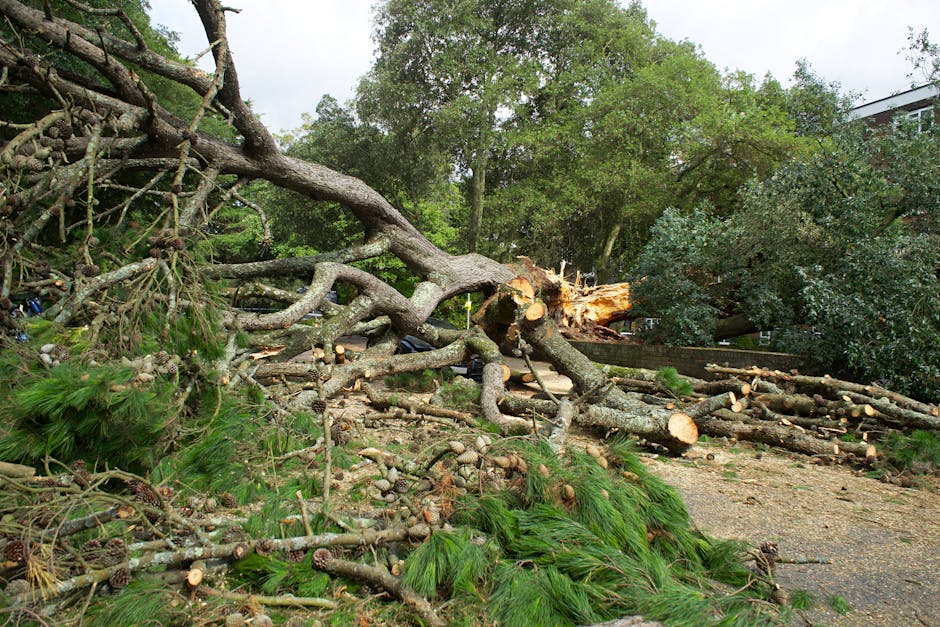
- someone planning tree lopping, crown work, or tree removal after storm damage
It also makes sense if you are not sure whether the tree is actually protected. That uncertainty is very common. You might know the tree is there, and perhaps even know it has been planted for years, but you may not know what status it has. Fair enough. Most people do not keep those records in their head.
Typical situations where this becomes urgent include:
- branches touching roofs or windows
- roots affecting paving, drains, or nearby structures
- dead or leaning trees after high winds
- overgrown crowns blocking light into homes or gardens
- tree work needed before larger landscaping or decking plans begin
If the job is tied to a full garden redesign, the tree permit question should be settled early. Otherwise, the rest of the project can stall. A simple conversation upfront can prevent a week of avoidable back-and-forth later on.
Step-by-Step Guidance
If you want the cleanest route through the process, follow these steps.
- Identify the tree and its location. Note whether it sits in your front garden, rear garden, shared land, or close to a boundary.
- Check for protection. Find out whether the tree has a Tree Preservation Order or is in a conservation area.
- Define the work clearly. Decide whether you need pruning, deadwood removal, crown reduction, felling, or stump removal.
- Write down the reason. Safety, disease, light, nuisance, structural damage, or access are all common reasons, but be specific.
- Prepare any supporting information. Photos, location notes, and a simple sketch can help avoid confusion.
- Wait for the correct approval or notice period. Do not begin until the relevant process has completed.
- Book the work carefully. Make sure the timing fits weather, access, waste removal, and any follow-on garden work.
A useful habit is to keep everything in one place: photos, notes, dates, and any correspondence. It sounds a bit unexciting, I know, but when there are multiple people involved, neat records make life much easier. Especially if the property has shared access or a managing agent.
For the actual work itself, it helps to pair compliance with good site preparation. If branches, cuttings, or general garden clutter need clearing before or after the job, garden clearance can be part of the plan rather than an afterthought.
Expert Tips for Better Results
Here is where experience matters a little. The following points can save time, money, and hassle.
- Be precise about the tree work. Vague requests often lead to delays or unsuitable outcomes.
- Use photographs from more than one angle. A crown can look harmless from one side and much more problematic from another.
- Think about season and nesting sensitivity. Even when permission is not the main issue, timing can affect how sensible the work feels.
- Match the job to the tree's condition. A stressed tree may need a lighter touch.
- Plan access before the appointment. In Bethnal Green, tight side passages and limited parking can complicate things quickly.
Another quiet but useful tip: if the work is mainly about light, ask whether a lighter prune would achieve the same result. Not everything needs a dramatic cut. Truth be told, some of the best results are the least flashy ones. The tree still looks like a tree. The garden still feels open. Everyone wins.
If the tree sits within a larger garden improvement, you may want to coordinate it with landscape gardening so the final result feels considered rather than pieced together.
Common Mistakes to Avoid
Most problems happen because people rush. That is the honest version.
- Starting work before checking protection status. This is the big one.
- Assuming small work never needs permission. Sometimes it does, depending on the tree's status.
- Using vague wording in the request. The more ambiguous the description, the more room for misunderstanding.
- Only thinking about the tree, not the rest of the site. Access, waste, and safety all matter.
- Ignoring the impact on neighbours. Noise, debris, and temporary disruption are real.
- Choosing the cheapest option without checking competence. Cheap can be fine; careless usually is not.
One common story goes like this: someone wants a "quick tidy" before weekend guests arrive, only to discover the tree is protected and the intended work is not allowed without proper consent. Suddenly the project becomes a waiting game. Annoying? Absolutely. Avoidable? Usually, yes.
Tools, Resources and Recommendations
You do not need a truck full of specialist gear to start planning properly. A few practical tools are enough.
- a phone camera for clear tree photos
- a simple site sketch or garden plan
- a notebook or notes app for dates and observations
- measurements for approximate height, spread, and boundary distances
- a folder for any permissions, notices, or written explanations
For homeowners and property managers, it can also help to choose a provider that offers a joined-up service. Tree work often leads into other jobs, and it is easier when one team understands the whole outdoor space. If you are looking at ongoing garden upkeep, lawn mowing and broader gardening services may be relevant once the tree side is sorted.
On the trust side, it is sensible to review important business information before appointing anyone. Pages covering about the company, insurance and safety, and health and safety can give you a better feel for how professionally a firm operates.
Law, Compliance, Standards, or Best Practice
Tree permissions in London are shaped by planning law and local authority controls, but the exact route depends on the tree's status and the site. It is best to treat this as a compliance check rather than a guesswork exercise. If a tree is protected, formal consent is typically needed before work starts. If it sits in a conservation area, advance notice may be required even if the tree is not otherwise protected.
Best practice is simple: identify the status first, define the work accurately, and keep records of what was agreed. If a professional is involved, they should be able to explain the likely process clearly and avoid overpromising. That is a good sign. Not every contractor does this well, by the way. Some do, but not all.
There are also safety standards to think about. Tree work can involve height, cutting tools, falling branches, and awkward access. So even when permission is sorted, safe working methods matter. Insurance, public liability cover, and sensible site controls are not fancy extras. They are basics.
From a practical compliance point of view, the best approach is often to combine the permission check with the work plan. For example, if tree cutting is being done before reworking a patio, deck, or boundary planting, sequencing matters. This is where services such as decking services and recycling and sustainability may come into the conversation, especially where green waste needs responsible handling.
Options, Methods, or Comparison Table
People often ask whether they should prune, reduce, remove, or leave a tree alone. The right answer depends on condition, location, and permission status, but a comparison helps clarify the decision.
| Option | What it usually means | Best for | Things to watch |
|---|---|---|---|
| Light pruning | Removing selected shoots, small branches, or deadwood | General tidying, minor safety concerns, improving shape | May still need permission if the tree is protected |
| Crown reduction | Reducing the overall size of the canopy in a controlled way | Overlarge trees near buildings or light-sensitive spaces | Needs careful specification and a sensible reason |
| Pollarding | Repeated cutting back to a managed framework | Specific species and long-term management plans | Not suitable for every tree |
| Felling | Removing the tree entirely | Dead, dangerous, or unsuitable trees | Usually the most sensitive option from a permissions point of view |
| Leave it and monitor | No immediate work, just observation | Healthy trees with no urgent issue | Best when the risk is low and the tree is not causing trouble |
In many Bethnal Green gardens, the best option is not the most dramatic one. Sometimes a measured prune does the job. Sometimes you need a more substantial intervention. The trick is knowing which, before the tools come out.
Case Study or Real-World Example
Imagine a typical terraced property near Bethnal Green with a mature tree in the rear garden. The branches are shading the kitchen in the afternoon, one limb is brushing against a fence, and the owner is planning some new planting and a small seating area. They want the work done quickly, naturally, because the garden is close to being usable again. Very normal situation.
The first sensible step is not booking the cut. It is checking whether the tree is protected or within a conservation area. Once that is clarified, the requested work can be described properly: perhaps deadwood removal, a modest crown reduction, and clearance of the arisings. If the tree is actually protected, the owner waits for the correct approval instead of starting early. Not exciting, but much better than a stop-work problem later.
After the tree work, the garden team can move into clearance and reshaping. In this kind of project, tree work is not a standalone event; it is the opening move in a broader garden reset. A tidy sequence might include initial tree surgery, then clearance, then landscaping or planting. That joined-up approach usually saves faff. A little patience upfront, a smoother job overall.
Practical Checklist
Use this before you commit to any tree work in Bethnal Green.
- Confirm the exact tree and where it sits on the property
- Check whether it has a Tree Preservation Order
- Check whether the site is in a conservation area
- Define the proposed work in plain English
- Take clear photos from several angles
- Write down the reason for the work
- Consider whether the work can be lighter or more selective
- Plan access, parking, and waste removal
- Keep records of approval, notices, and correspondence
- Only start once the correct permission or notice period has been completed
If you can tick those off, you are already ahead of many rushed jobs.
Get a free quote today and see how much you can save.
Conclusion
The safest and smoothest way to handle tree work in Bethnal Green is to treat permissions as part of the job, not an annoying add-on. Once you know whether the tree is protected and what work is actually needed, the rest becomes much more manageable. You avoid delays, reduce risk, and give the tree the best chance of a sensible outcome.
Whether you are dealing with a small pruning job, a larger reduction, or something more urgent after bad weather, a careful approach will usually serve you better than a rushed one. And if the tree work is part of a wider outdoor project, it is worth thinking about the whole garden, not just the branches in front of you. That is where good planning really shows.
When in doubt, slow down, check properly, and keep the work clear and documented. It is a small bit of effort for a much calmer result.
Frequently Asked Questions
Do I need permission to cut a tree in Bethnal Green?
Sometimes yes, sometimes no. It depends on whether the tree is protected by a Tree Preservation Order or sits in a conservation area. If you are unsure, check first before arranging any work.
What is the difference between a TPO and a conservation area tree?
A TPO is a specific protection applied to an individual tree or group of trees. A conservation area can require advance notice for work even if the tree is not otherwise protected. They are similar in effect, but not the same thing.
Can I prune a tree without telling the council?
Only if no protection applies and the work does not fall under any other planning restriction. If the tree is protected, or if there is any doubt, do not assume it is fine. That is where people get caught out.
How do I know if my tree is protected?
You usually need to check with the local planning authority or review the property records. A tree surgeon or garden professional can often help you assess whether it is likely to be protected, but the status should be confirmed before work begins.
What tree work is most likely to need permission?
Felling, major pruning, crown reduction, and large limb removal are more likely to trigger permission requirements, especially on protected trees. Even smaller jobs can need approval depending on the tree's status.
Can emergency tree work be done straight away?
Urgent safety issues can change the decision-making, but you should still act carefully and document what happened. If a tree is dangerous, take sensible steps to reduce immediate risk and record the condition with photos if possible.
How long does the process usually take?
That can vary depending on the type of permission or notice involved. Some work can move quickly, while other cases need time for review. It is best not to leave it until the last minute if the garden project has a deadline.
What details should I include when asking for approval?
Be specific about the tree, the exact work, and why the work is needed. Photos, site notes, and a straightforward description usually help more than a vague request.
Do I need a tree surgeon, or can I do it myself?
Small, non-specialist maintenance may be within reach for some people, but tree work can become unsafe very quickly. If the tree is large, near buildings, or potentially protected, it is usually wiser to use a professional with the right insurance and experience.
What happens if tree work is done without permission?
It can lead to enforcement problems, complaints, or the need to deal with the issue after the fact. The exact consequences depend on the situation, but it is never the route you want to take if you can avoid it.
Should tree work be done before or after landscaping?
Usually before, especially if the tree affects access, shade, roots, or the layout of the new garden. Sorting the tree first often prevents avoidable damage to the rest of the project.
What should I do next if I still am not sure?
Start with the tree's status, then define the work clearly. If you are planning a bigger outdoor job, it may help to speak with a team that understands tree work alongside wider garden services, from tree lopping and removal to longer-term garden care. A careful first step usually saves the most stress later.